
Usui/Holy Fire® Reiki
What’s the Difference Between Reiki and Holy Fire Reiki?
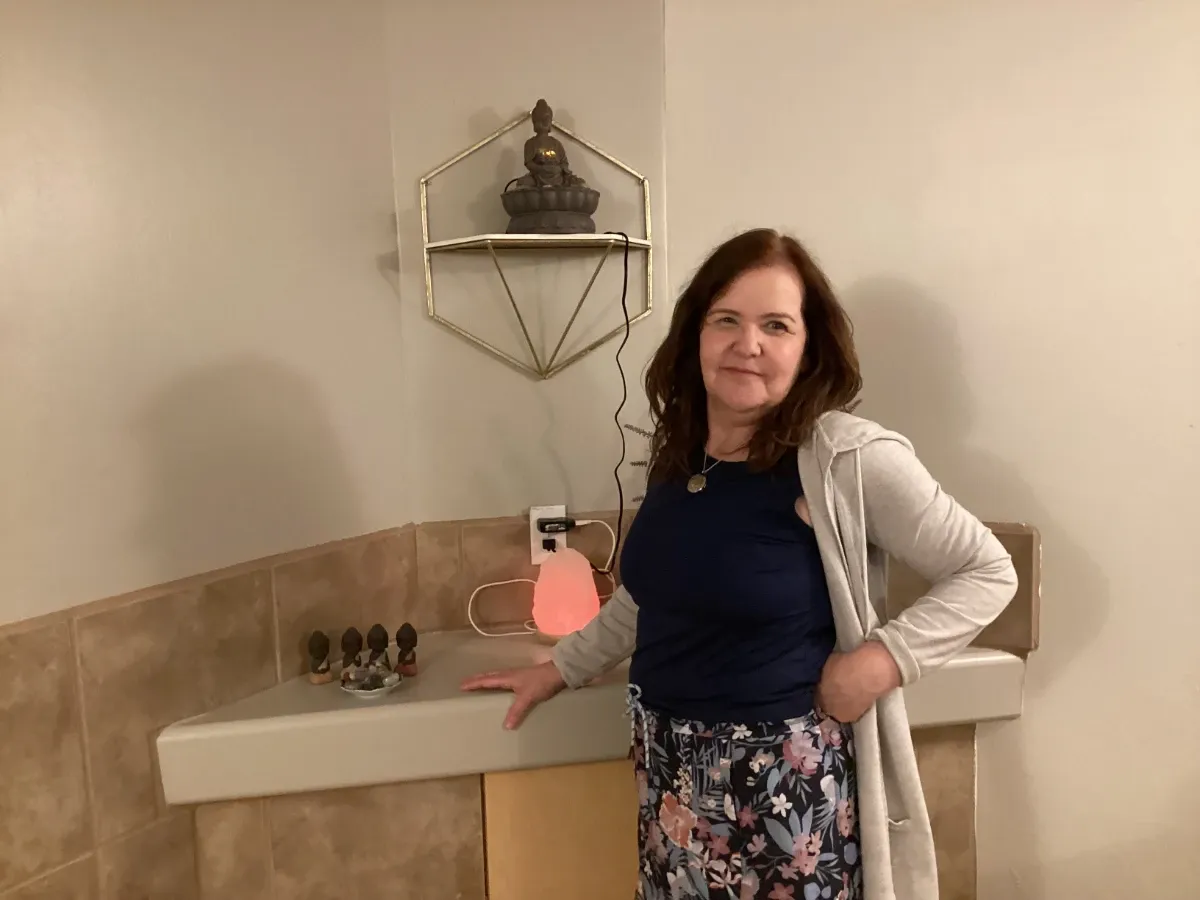
Fern Goodman, Reiki Energy Healer & Mindset Coach
Updated October 31, 2026
Holy Fire Reiki builds on traditional Usui Reiki and was introduced by the International Center for Reiki Training in 2014. Both are given the same gentle way, with hands resting lightly on or just above the body. The difference is how the energy is usually experienced: many people describe Holy Fire as gentle yet deeper.
If you have started exploring Reiki, you have probably seen both names and wondered whether they are the same thing. Here is a simple guide to how they compare, so you can choose what feels right for you.
What is traditional Usui Reiki?
Usui Reiki is the original form of Reiki, developed in Japan by Mikao Usui in the early 20th century. It is a gentle practice in which the practitioner channels life force energy to support relaxation and balance.
During a session you rest fully clothed while the practitioner places their hands lightly on or just above your body. Many people experience Usui Reiki as calming, quieting and deeply relaxing.
What is Holy Fire Reiki?
Holy Fire Reiki is a newer development of Usui Reiki taught by the ICRT. It keeps the same foundation and the same way of giving a session, but the energy is often described as more refined, with a strong sense of peace and release.
- Gentle yet deep: many people describe the energy as both soft and powerful, with a feeling of deep calm.
- Self-guided energy: the energy is understood to flow where it is needed most, without the practitioner directing it.
- Personal experiences: clients sometimes notice warmth, tingling, lightness or emotional release, while others simply drift into deep rest.
What are the main differences between Reiki and Holy Fire Reiki?
The session looks the same, and both are gentle to receive. The differences lie in the lineage and in how the energy is usually experienced.
| Usui Reiki | Holy Fire Reiki | |
|---|---|---|
| Origin | Developed in Japan by Mikao Usui | Builds on Usui Reiki, introduced by the ICRT in 2014 |
| How it often feels | Calming and balancing | Gentle yet deeper, often described as purifying |
| Role of the practitioner | Channels the energy | Channels the energy, which is understood to guide itself |
| Session style | Hands-on or hands-off, in person or at a distance | Hands-on or hands-off, in person or at a distance |
Is Reiki religious?
No. Reiki is not a religion and is not tied to any faith. It has no beliefs you need to accept, no worship and no rituals you take part in. You simply rest while the practitioner works, and people of every background, religious or not, receive Reiki.
Is Holy Fire Reiki religious?
No. Holy Fire Reiki is not connected to any religion, and you do not need any particular belief or faith to receive a session. “Holy Fire” is simply the name the ICRT gave to this form of Reiki. People of every background are welcome.
What does a Holy Fire Reiki session feel like?
Most people simply feel deeply relaxed. Some notice warmth, tingling or gentle waves of calm, some see colours or images, and some fall asleep. Others feel very little during the session and notice a shift in the hours or days afterwards. All of these experiences are normal.
Which one is right for you?
There is no right or wrong choice. Some people are drawn to the tradition of Usui Reiki, while others feel called to the experience of Holy Fire Reiki. The best way to know is to try a session and notice how your body and mind respond.
Can I try Holy Fire Reiki in Winnipeg or from home?
Yes. I am a certified Usui/Holy Fire® Reiki practitioner and offer in-person Reiki in Winnipeg at Safe Harbour Therapy Centre, as well as distance Reiki sessions you can receive from home, 7 days a week. After every session I share what I sensed and suggest simple next steps, in a call or in writing if you prefer. More about Usui/Holy Fire® Reiki sessions.
If you have questions first, book a free 15-minute consultation. There is no pressure, just support.
Reiki is a gentle, supportive practice. It doesn’t diagnose or treat any condition and never replaces care from your doctor or therapist.
Curious how it feels for you?
Try a 30-minute session for $40, in person in Winnipeg or by distance, or ask me anything first.
Book a free 15-minute consultation